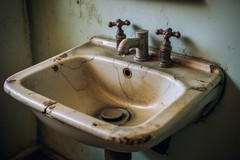
A porcelain sink can outlast the house it sits in, but decades of use tend to leave their mark. Mineral stains, chips, fading gloss, and stubborn discoloration slowly rob these fixtures of the smooth, gleaming surface that made them so appealing in the first place. The good news is that you can often restore old porcelain sink surfaces to something close to their original beauty without replacing them entirely. As specialists in content restoration in Columbia, SC, we have seen how a careful, methodical approach can bring worn fixtures and treasured belongings back to life.
Whether your sink is a vintage piece with sentimental value or simply an original fixture you would rather preserve than swap out, understanding the restoration process helps you make smart decisions. Below, we walk through what causes porcelain to lose its shine, how the restoration process works, and when it makes sense to call in professional help.
Why Porcelain Loses Its Original Finish
Porcelain enamel is a glass-like coating fused onto a metal or ceramic base at high temperatures. That coating is remarkably durable, but it is not indestructible. Over years of daily use, the surface takes on tiny abrasions from cleaning pads, cookware, and dropped objects. Those micro-scratches trap dirt and soap residue, which is why an old sink can look dull even after a thorough scrubbing.
Hard water is another major culprit, especially in and around Columbia. Minerals in the water leave chalky deposits and rust-colored streaks that bond to the porcelain over time. Add in years of harsh chemical cleaners, and the protective gloss begins to break down. When you set out to restore old porcelain sink surfaces, you are essentially reversing this accumulated damage layer by layer and re-establishing a clean, sealed finish.
Assessing the Sink Before You Begin
Before any cleaning or repair, take a close look at the condition of the porcelain. Surface stains and dullness are cosmetic and usually respond well to cleaning and polishing. Chips, cracks, and areas where the enamel has worn down to the metal base are more serious and call for repair before refinishing. A rust spot at a chip, for example, will keep spreading if the exposed metal is not sealed.
Run your hand across the basin and inspect it under good light. Note where the gloss is worn thin versus where the damage is only staining. This assessment shapes your plan, because a sink that only needs deep cleaning takes far less work than one that needs chip repair and a full refinish. When customers ask us to help restore old porcelain sink pieces damaged by water or fire events, this evaluation is always our first step.
The Restoration Process Step by Step
Restoring porcelain is about patience and using the right materials in the right order. Aggressive scrubbing or the wrong chemical can etch the surface and make matters worse, so gentle and progressive is the rule. Here is the general sequence a careful restoration follows:
- Clear and rinse the basin, removing any debris and giving it an initial wash with warm water and a mild, non-abrasive cleaner.
- Treat stains and mineral deposits with a targeted solution, letting it dwell so it can lift the discoloration rather than relying on hard scrubbing.
- Address rust spots and chips by cleaning the exposed area, sealing it, and applying a porcelain repair compound that matches the color.
- Polish the surface with a fine porcelain or ceramic polish to smooth micro-scratches and restore reflectivity.
- Apply a protective sealant or wax made for enamel surfaces to guard against future staining and water spots.
Between steps, rinse thoroughly and dry with a soft cloth so you can judge your progress honestly. Stains that seemed permanent often fade with a second or third gentle treatment, which is why rushing rarely pays off. For light discoloration, a paste of baking soda and water can work well, while hard-water buildup usually needs a diluted acidic cleaner applied briefly and rinsed completely.
Common Mistakes to Avoid
The biggest error people make is reaching for steel wool or heavy abrasive powders. These strip the very gloss you are trying to save and leave a rough surface that stains faster than before. Bleach left to sit for long periods can also weaken the enamel and, in some cases, worsen yellowing. Strong acids used carelessly can etch permanent dull patches into the porcelain.
Another mistake is skipping the sealing step. Once you have cleaned and polished the sink, an unprotected surface will start collecting new stains almost immediately. Taking the extra time to apply a protective layer is what keeps the finish looking fresh for months rather than weeks. If you are ever unsure whether a product is safe for porcelain, test it on a small, hidden area first.
When Restoration Is Part of a Larger Recovery
Sometimes a sink is not the only thing that needs attention. After water damage, fire, smoke, or a plumbing failure, porcelain fixtures often need cleaning alongside cabinetry, dishes, cookware, and personal belongings. This is where professional contents cleaning services in the Columbia area make a real difference, because the same care that helps restore old porcelain sink surfaces applies to the many other items affected by a loss.
In situations where a home needs significant repair, we can also handle careful removal and safe keeping of your belongings through our packout and temporary storage services in Columbia and its surrounding regions. Fixtures, fine china, furniture, and keepsakes are cleaned, documented, and stored until your space is ready. Homeowners throughout Columbia and the surrounding areas rely on this coordinated approach so nothing salvageable gets thrown out prematurely.
Keeping the Finish Beautiful
Once you have brought back the shine, a little routine care goes a long way. Wipe the basin dry after heavy use to prevent water spots, and reach for non-abrasive cleaners rather than gritty powders. A monthly gentle polish keeps the surface reflective, and reapplying a protective sealant a few times a year preserves the barrier against staining. Small habits like these mean you may never need a full restoration again.
Restoring porcelain rewards patience far more than force. By assessing the damage honestly, treating stains gently, repairing chips before they spread, and sealing the finished surface, you can revive a fixture that might otherwise have seemed beyond saving. The same principles guide everything we do with treasured belongings after a loss.
If your sink is part of a larger restoration challenge, or you simply want experienced hands on a fixture you care about, we are glad to help. Reach out to United Packout Co. to get a quote or learn more about how we care for the things that matter most to families across Columbia and neighboring communities.