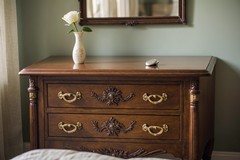
A well-loved antique dresser often carries more than clothing and keepsakes. It holds the fingerprints of generations, the story of a family, and in many cases genuine market value that grows with careful stewardship. That is exactly why antique dresser restoration deserves thoughtful attention rather than a quick weekend sanding project. As a content restoration company in Columbia, SC, we have seen how a rushed refinish can strip a piece of both its character and its worth.
Whether your dresser survived a house fire, absorbed water damage during a storm, or simply weathered decades in a humid attic, the choices you make during restoration matter enormously. The right approach preserves original finishes, respects period craftsmanship, and keeps the piece authentic to collectors and appraisers. The wrong approach can erase a century of value in an afternoon.
Below, we share the principles our team relies on when protecting antique furniture for families throughout Columbia and the surrounding areas.
Understand What Makes an Antique Valuable Before You Touch It
The single most important rule in antique dresser restoration is to know what you have before you change anything. Value in antique furniture comes from several sources at once: the original finish, the joinery, the hardware, the wood species, and the patina that only time can create. Patina, that soft aged glow on the surface, is frequently the first casualty of an overzealous restoration.
Collectors often pay a premium for pieces that retain original components, even when those components show wear. Replacing hand-forged pulls with modern reproductions, or sanding through an original shellac finish to reach bare wood, can significantly reduce what a piece commands at auction. Before starting any work, examine the dresser for maker's marks, dovetail construction, and signs of hand tools. When in doubt, a quick consultation with an appraiser can save you from an irreversible mistake.
Clean Gently Before You Consider Refinishing
Many dressers that look hopeless simply need a careful cleaning rather than a full refinish. Decades of grime, wax buildup, and smoke residue can mask a finish that is actually intact underneath. A gentle cleaning often revives the surface enough that stripping becomes unnecessary, which is almost always the better outcome for value.
Start with the mildest method possible. A soft cloth slightly dampened with water, or a mild wood-safe cleaner, can lift surface dirt without harming the finish. Work in small sections and dry immediately, since standing moisture is the enemy of old wood. After the disaster events we respond to, from fire soot to floodwater, this measured approach is central to our contents cleaning services in Columbia, where specialized techniques remove contaminants that household products cannot safely tackle. Smoke odor, mold spores, and water staining each require different treatments, and using the wrong one can lock damage into the grain permanently.
Handle Water and Fire Damage With Extra Care
When a dresser has been exposed to water, time is critical but so is patience. Wood swells as it absorbs moisture and can crack or warp as it dries too quickly. Rushing a wet piece into a warm room or under a fan often causes veneer to lift and joints to loosen. Controlled, gradual drying protects the structure and gives the wood a chance to stabilize.
Fire and smoke present a different challenge. Soot is acidic and will continue to etch finishes the longer it remains, while smoke odor penetrates deep into porous wood and drawer interiors. This is where professional intervention becomes valuable, because content cleaning services in Columbia, SC combine odor removal, soot extraction, and stabilization in a way that protects both the finish and the family memories tied to the piece. Attempting to scrub soot with water alone frequently spreads the staining and drives it deeper into the grain.
Repair, Don't Replace, Whenever Possible
Structural issues like loose drawers, wobbly legs, or separated joints are common in older dressers, and thankfully most are repairable without compromising authenticity. The guiding philosophy in quality antique dresser restoration is conservation over reconstruction. That means re-gluing an original joint rather than rebuilding it, consolidating fragile veneer rather than replacing whole panels, and preserving original hardware even if it needs cleaning.
When a component truly must be replaced, matching the period style and materials matters. Reversible repairs, meaning repairs that a future restorer could undo without damage, are considered best practice among conservators. A few situations call for professional judgment rather than DIY effort:
- Cracked or lifting veneer that risks flaking away entirely
- Structural damage from water swelling or fire exposure
- Missing or broken hardware that needs a period-accurate match
- Deep smoke odor that has settled into drawers and interior wood
Protect the Finish, Then Maintain It
Once your dresser is clean and structurally sound, protecting the finish is what keeps your restoration work meaningful for years to come. A quality paste wax applied sparingly can nourish the surface and add a protective layer without the harsh sheen of modern polyurethane. Avoid silicone-based sprays, which build up over time and complicate any future restoration efforts.
Environment plays a larger role than most people realize. Antique wood responds to humidity swings by expanding and contracting, so keeping a dresser away from direct sunlight, heating vents, and damp basements dramatically extends its life. Columbia's humid climate makes stable indoor conditions especially important for anyone maintaining older furniture across the region and neighboring towns. Simple habits, like lifting rather than dragging drawers and using felt pads under items placed on top, prevent the small daily wear that adds up over decades.
When Restoration Follows a Disaster
Restoring a single dresser at your own pace is one thing. Recovering an entire home's worth of belongings after a fire or flood is another challenge entirely, and antique furniture is often the most emotionally and financially significant part of that loss. In those moments, protecting a valuable dresser may mean carefully removing it from a damaged environment before further harm occurs.
Our packout and temporary storage services in the Columbia area is designed for exactly this scenario. We document, pad, and transport treasured items to a controlled facility where cleaning and stabilization can happen away from ongoing hazards like moisture and soot. Keeping antiques in a stable, secure environment during a restoration project prevents the secondary damage that so often occurs when items are left in a compromised home. For homeowners weighing whether a beloved piece can be saved, an honest assessment early in the process usually reveals more hope than expected.
Antique dresser restoration is ultimately a balance between reviving beauty and respecting history. Clean before you refinish, repair before you replace, and treat original finishes and hardware as the irreplaceable assets they are. These principles protect both the market value and the sentimental value that make old furniture worth saving in the first place.
If your antique furniture has been affected by fire, water, smoke, or storm damage in Columbia, SC and nearby communities, our team is ready to help you protect what matters. Contact us or request a quote, and let us help you preserve the past for the generations still to come.