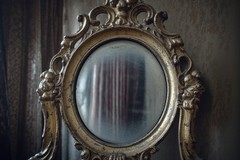
Antique mirrors have a way of holding history in their reflection. The soft, silvery patina, the hand carved frame, the wavy imperfections in old glass all tell a story that a modern mass produced mirror simply cannot. Yet those same qualities make older mirrors incredibly delicate, which is why so many people hesitate to clean or repair them. The goal is always to restore old mirror pieces in a way that preserves their character, and that is precisely the kind of careful work that defines quality content restoration in Columbia and its nearby areas.
Whether a mirror has been damaged by water, smoke, or simply decades of neglect, the wrong approach can cause irreversible harm in seconds. Aggressive cleaners strip the silvering, and heavy handling can crack fragile glass or split aging joinery. Understanding how professionals approach this work can help you protect a treasured piece and know when it is time to call in specialists.
Why Old Mirrors Require a Gentle Touch
The construction of an antique mirror is fundamentally different from what you find in a home goods store today. Older mirrors were often backed with a mercury or silver amalgam that reacts poorly to moisture and modern chemicals. When that backing begins to break down, you see the characteristic dark spots and cloudy edges known as desilvering. Trying to scrub those away almost always makes the damage worse.
Frames present their own challenges. Gilded surfaces, gesso detailing, and hand carved wood can flake, chip, or discolor when exposed to water or harsh solvents. Many older frames were assembled with hide glue and wooden pegs rather than modern fasteners, so they flex and separate over time. Any effort to restore old mirror pieces has to treat the frame and the glass as two separate but connected problems, each with its own set of risks.
Common Types of Damage After a Disaster
When a home in Columbia and the surrounding areas experiences a fire, flood, or burst pipe, mirrors are among the more vulnerable belongings. Smoke leaves a greasy film that clings to glass and settles into the crevices of ornate frames. Water intrusion can warp wood, dissolve old adhesives, and accelerate desilvering. Even soot from a small kitchen fire carries acidic residue that continues to eat away at surfaces long after the flames are out.
Because these effects worsen with time, prompt attention matters. The sooner a damaged mirror is stabilized and cleaned, the better the odds of saving both the reflective surface and the frame. This is one reason professional contents cleaning services in Columbia and beyond focus so heavily on early intervention. Waiting weeks to address soot or moisture often turns a repairable piece into a lost one.
How Professionals Restore an Old Mirror Safely
The process begins with assessment. Before anyone touches a cleaning cloth, the mirror is examined to identify the frame material, the type of backing, and the specific damage present. That evaluation determines everything that follows, because a gilded frame demands a completely different method than a stained oak one, and desilvered glass cannot be treated the same way as merely dirty glass.
From there, technicians work with the least invasive method that will achieve results. Surface dust and loose soot are removed dry first, using soft brushes and controlled suction so that nothing is ground into the finish. Only after that do specialized cleaning agents come into play, and even then they are chosen to match the material and applied sparingly. The frame and glass are treated separately whenever possible to avoid moisture migrating where it can cause harm.
Handling and support are just as important as cleaning. Old glass is brittle and can shatter under uneven pressure, so pieces are moved with full support behind the panel rather than gripped at the edges. When a mirror must leave the home for detailed work, careful crating and transport protect it along the way.
What You Can and Cannot Do at Home
Homeowners often want to help, and there are a few safe steps you can take before professional help arrives. Keeping the mirror in a stable, dry environment away from direct sunlight and humidity swings prevents further deterioration. Gentle dusting with a dry microfiber cloth on the glass surface, avoiding the edges and backing, is usually harmless. Beyond that, restraint is the wisest choice.
The temptation to reach for common household products is where most damage happens. Consider avoiding the following when dealing with a valuable or antique mirror:
- Ammonia based glass cleaners, which attack the silvering and can seep behind the glass through worn edges.
- Paper towels and abrasive pads that scratch delicate surfaces and old finishes.
- Water applied directly to gilded or gessoed frames, which softens adhesives and lifts detail.
- Any attempt to reglue or clamp a loose frame, since improper pressure can crack the glass or worsen a split joint.
When damage goes beyond light dust, especially after smoke or water exposure, the safest move is to stop and consult specialists who work to restore old mirror pieces every day. A well meaning cleaning attempt can undo generations of preserved beauty in moments.
When Packout and Storage Protect Your Mirror
Sometimes the best thing you can do for a fragile mirror is move it out of harm's way entirely. During major restoration projects, ongoing construction, or environmental hazards in the home, keeping delicate items on site puts them at continued risk. In those situations, professional packout and temporary storage services in Columbia give your belongings a controlled, secure place to wait until the home is ready again.
Proper storage matters more than people realize. A mirror left in a damp basement or a hot attic will continue to degrade even if it survived the original event untouched. Climate awareness, careful padding, and cataloging of each item mean that when your mirror returns, it comes back in the same condition it left, or better after treatment. Homeowners throughout Columbia and nearby communities rely on this approach when a disaster displaces a household worth of cherished possessions.
The value of contents restoration in situations like fire, flood, or even mold cleanup extends far beyond mirrors. The same expertise that saves a fragile antique also recovers furniture, textiles, and family heirlooms. If your home has experienced water damage that could lead to further issues, addressing the moisture and any resulting mold remediation in Columbia, SC quickly protects everything inside, reflective surfaces included.
Preserving an old mirror is really about respecting what it represents. The safest results come from patient assessment, gentle methods, and treating the frame and glass as the distinct, delicate materials they are. When damage is minor, a light dry dusting may be all you need, but anything more serious calls for a careful, informed approach rather than a quick fix.
If you have a mirror or other treasured belongings affected by smoke, water, or age, our team is here to help you protect what matters. Reach out to contact us for guidance, and we will walk you through the best path forward for your specific piece and situation.