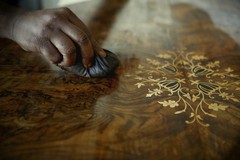
A hand-carved dresser passed down through three generations or a walnut table that has anchored family dinners for decades carries more than function. It holds history, and that history lives largely in the finish. The problem is that antiques are easy to harm with well-intentioned cleaning, and the wrong product or a single aggressive wipe can strip away patina that took a lifetime to develop. That is why cleaning antique furniture deserves a careful, informed approach rather than whatever spray happens to be under the sink.
As a content restoration company in Columbia, SC, we see the aftermath of hurried cleaning more often than you might expect. The good news is that preserving an heirloom is entirely possible when you understand what the finish is made of, what it can tolerate, and when to stop. This guide walks through the practical steps so your treasured pieces stay beautiful for the next generation.
Understand the Finish Before You Touch It
No two antiques are finished the same way, and the type of finish determines everything about how you should clean it. Older pieces often wear shellac, which dissolves in alcohol, while others carry lacquer, varnish, oil, or wax. A finish that reacts beautifully to one cleaner can bubble, cloud, or soften under another. Before you begin cleaning antique furniture, it helps to identify what you are working with.
A simple test can point you in the right direction. Dab a cotton swab with a little denatured alcohol and touch it to a hidden spot, such as the underside or back. If the finish becomes tacky, it is likely shellac. Repeat the test with mineral spirits in another hidden area to check for lacquer or varnish. When the surface stays unchanged, you are probably dealing with a more durable modern-era coating. Knowing this early prevents costly mistakes and tells you which cleaning agents to avoid entirely.
Start Gentle and Work Up Only If Needed
The golden rule of antique care is to begin with the mildest method and escalate only when it proves necessary. Most surface grime responds to a soft, dry cloth or a barely damp one. Reach for microfiber rather than paper towels, which can scratch, and avoid feather dusters that drag dust across the finish. For everyday buildup, this light touch is often all a piece requires.
When dust alone will not lift the dirt, a solution of a few drops of mild dish soap in warm water can help, applied with a well-wrung cloth so no standing moisture reaches the wood. Wipe in the direction of the grain, then immediately follow with a clean, dry cloth to remove any lingering dampness. Water is the enemy of old wood joints and veneers, so the goal is always slightly damp rather than wet. Never let liquid pool in carvings, seams, or around hardware where it can seep beneath the surface.
Several products that feel harmless can do real damage over time. Keep these away from antiques:
- All-purpose sprays and ammonia-based cleaners, which can dull or dissolve old finishes
- Silicone-heavy furniture polishes that build a film and complicate future restoration
- Abrasive pads, scouring powders, and so-called magic erasers that scratch
- Direct application of any solvent without first testing a hidden area
Reviving Wax, Patina, and Shine
Once a piece is clean, you may want to restore a soft glow without resorting to harsh products. A quality paste wax, applied sparingly and buffed by hand, feeds the wood and protects the finish while preserving that authentic aged look collectors prize. Apply a thin coat with a soft cloth, let it haze, and buff gently until the surface warms to a low sheen. Avoid the temptation to overdo it, since multiple layers of wax can trap dust and create a sticky residue.
Resist the urge to sand, refinish, or strip a piece simply because it looks tired. Patina, the mellow color and subtle wear that develops across decades, is often what gives an antique its value and character. Aggressive refinishing can erase that history in an afternoon. When a finish is cracked, lifting, or heavily damaged, that is the moment to pause and consult a professional rather than experiment. Thoughtful cleaning antique furniture means knowing the difference between dirt that should go and age that should stay.
When Antiques Are Damaged by Water, Smoke, or Fire
Routine cleaning is one thing, but antiques caught in a home emergency need a different level of care. Smoke residue, soot, water intrusion, and the humidity swings that follow a disaster can all threaten delicate finishes and joinery. Soot in particular is acidic and can etch surfaces the longer it sits, while excess moisture encourages swelling, warping, and mold. Attempting to scrub these contaminants with household supplies can grind them deeper and cause permanent harm.
This is where specialized help matters. Our team provides content cleaning services designed to address smoke, water, and soot damage on irreplaceable items using methods matched to each surface. In situations where moisture lingers, prompt attention also reduces the risk of secondary problems, and professional mold remediation in Columbia, SC can protect both your furniture and your home. If a piece needs to leave the premises during repairs, our packout and temporary storage services in the Columbia area keep valuables safe in a controlled environment until it is ready to return.
Everyday Habits That Protect Antiques
Preservation is not only about how you clean but also about the conditions a piece lives in. Direct sunlight fades and dries wood, so position antiques away from windows or use curtains to soften exposure. Stable humidity matters too, since wood expands and contracts with moisture in the air, and extreme swings loosen joints and crack veneers. Columbia summers can be especially humid, so running climate control helps more than most people realize.
Simple protective habits go a long way. Use coasters and felt pads, lift rather than drag objects across surfaces, and avoid placing antiques directly against heating vents or fireplaces. Dust regularly so grime never gets a chance to accumulate and bond to the finish. These small routines mean you will rarely need deep cleaning in the first place, which is the safest outcome of all for a fragile heirloom.
Knowing When to Call a Professional
There is real value in understanding your own limits with cleaning antique furniture. If a finish is flaking, if you are unsure what you are working with, or if a piece has suffered damage from water, fire, or smoke, professional guidance protects both the item and its worth. A trained restoration team can assess the construction, test discreetly, and choose methods that preserve rather than compromise.
For homeowners throughout Columbia and the surrounding communities, caring for antiques comes down to patience, gentle methods, and respect for the finish that makes each piece unique. Start mild, test before you treat, protect the patina, and recognize when a situation calls for expert hands. When your cherished items need more than a careful dusting, reach out to United Packout Co for a free quote and let our team help you preserve what matters most.