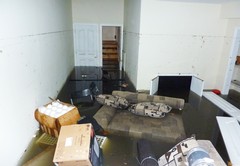
Standing water does not discriminate. When a flood pushes through a home, it reaches the heirloom dresser passed down from a grandparent just as easily as the inexpensive side table from last year. In the hours and days after the water recedes, one of the hardest questions homeowners face is deciding what can be saved and what has to go. Understanding furniture restoration after flood damage can mean the difference between tossing a treasured piece and bringing it back to life, which is why professional content restoration in Columbia and its surrounding towns starts with careful evaluation rather than guesswork.
Not every item is a lost cause, and not every item is worth saving. The type of material, how long it sat in water, and whether that water was clean or contaminated all shape the outcome. Below, we walk through what typically survives a flood, what usually does not, and how the restoration process actually works.
Why the Type of Water Matters First
Before anyone decides whether a couch or cabinet can be rescued, the source of the flooding has to be identified. Clean water from a burst supply line gives furniture a far better chance than water that has traveled through sewage, soil, or storm runoff. Category one water is relatively clean, category two carries contaminants, and category three, often called black water, contains bacteria and other hazards that soak deep into porous materials.
This distinction drives nearly every decision in furniture restoration after flood events. A solid wood table splashed with clean water may only need drying and refinishing. That same table submerged in contaminated flood water for two days presents a health concern that no amount of surface cleaning fully resolves. Honest restoration professionals will never pretend otherwise, because your family's safety comes before saving a single piece.
Furniture That Can Usually Be Saved
Solid wood furniture is often the most resilient. Hardwoods like oak, maple, and cherry can swell and warp when wet, but because the material is dense and non-porous compared to engineered alternatives, it frequently responds well to controlled drying and refinishing. Antiques in particular are worth having evaluated before any disposal decision, since their construction and craftsmanship often justify the extra effort.
Metal furniture tends to survive flooding too, provided rust is addressed quickly. Patio sets, metal bed frames, and filing cabinets can usually be cleaned, treated, and returned to service. Hard plastics and sealed laminates clean up easily as well, since water does not penetrate their surfaces the way it soaks into fabric or raw wood.
Many homeowners are surprised to learn that some upholstered and cushioned pieces can be salvaged, but this depends heavily on the water category and response time. When clean water is involved and professionals begin treatment promptly, cushions and frames can sometimes be cleaned, sanitized, and dried. The faster the intervention, the better the odds, which is why reaching out for help within the first day or two matters so much.
Furniture That Usually Cannot Be Restored
Some materials simply do not hold up. Particleboard, pressed wood, and most inexpensive flat pack furniture absorb water like a sponge, swell, and lose structural integrity. Once that glued composite breaks down, there is no reliable way to restore it, and attempting to do so often costs more than replacement.
Upholstered furniture and mattresses exposed to contaminated water are generally beyond saving as well. Padding and fabric trap bacteria and moisture deep inside where cleaning cannot fully reach, creating an ideal environment for mold and odor. When black water is involved, the safest choice is almost always disposal. If mold has already taken hold throughout a home, you may also need professional mold remediation in Columbia and beyond to address the larger problem before contents are returned.
Here is a quick way to think about the likely outcome for common pieces:
- Solid wood and antiques: often restorable with drying and refinishing
- Metal, hard plastic, and laminate: usually cleanable unless badly corroded
- Clean water upholstery: sometimes salvageable with fast professional treatment
- Particleboard and pressed wood: rarely worth restoring
- Mattresses and contaminated upholstery: typically replaced for safety
How the Restoration Process Works
Effective furniture restoration after flood damage follows a deliberate sequence rather than a rushed scramble. The first step is inventory and assessment, where each item is documented, photographed, and evaluated for salvage potential. This record also helps with insurance claims, which matters more than many homeowners realize in the stressful days after a loss.
From there, salvageable pieces are often removed from the damaged environment entirely. Trying to clean and dry furniture inside a water damaged home slows everything down and risks recontamination. Many restoration projects rely on personal property packout and temporary storage services in Columbia so your belongings can be cleaned off site in a controlled setting while your home is repaired. Pieces are then cleaned, deodorized, treated for mold prevention, and carefully dried before any refinishing begins.
Controlled drying is the heart of the process. Rushing it causes cracking and warping, while proper humidity control and monitoring give wood the chance to stabilize naturally. Only after a piece is fully dry and sanitized does refinishing or structural repair take place. You can see examples of what thorough personal property restoration looks like when it is done methodically rather than quickly.
Acting Quickly Makes the Biggest Difference
Time is the single most important factor in how much furniture can be saved. Mold can begin developing within 24 to 48 hours of water exposure, and every passing hour lets moisture soak deeper into wood joints, fabric, and padding. Furniture that might have been restorable on day one can become a total loss by day three.
If you cannot get professional help immediately, there are a few things that help in the meantime. Move salvageable items out of standing water and into a dry, ventilated space. Remove wet cushions and drawers so air can circulate. Avoid running a furnace or air conditioner that might spread contaminants, and resist the urge to scrub contaminated upholstery yourself, since that can push bacteria deeper and expose you to health risks. Document everything with photos before you move or discard anything.
Protecting What Matters Most
A flood tests more than your furniture. It tests your patience, your sense of home, and sometimes your connection to pieces that carry real memories. The good news is that far more can often be saved than homeowners expect, especially when experienced professionals evaluate each item instead of writing off entire rooms at once. Solid wood, metal, and many sealed surfaces frequently come back beautifully, while the real losses tend to be the porous, composite materials that were never built to withstand water.
The smartest move after any flooding is to call for a professional assessment quickly, before mold and prolonged moisture make decisions for you. Thoughtful furniture restoration after flood damage protects both your property and your family's health, and it often saves money compared to replacing everything outright.
If your home in Columbia and the surrounding areas has been affected by water, United Packout Co. is ready to help you sort, salvage, and restore what can be saved. Reach out to contact our team for an evaluation and let us help you recover with confidence.